
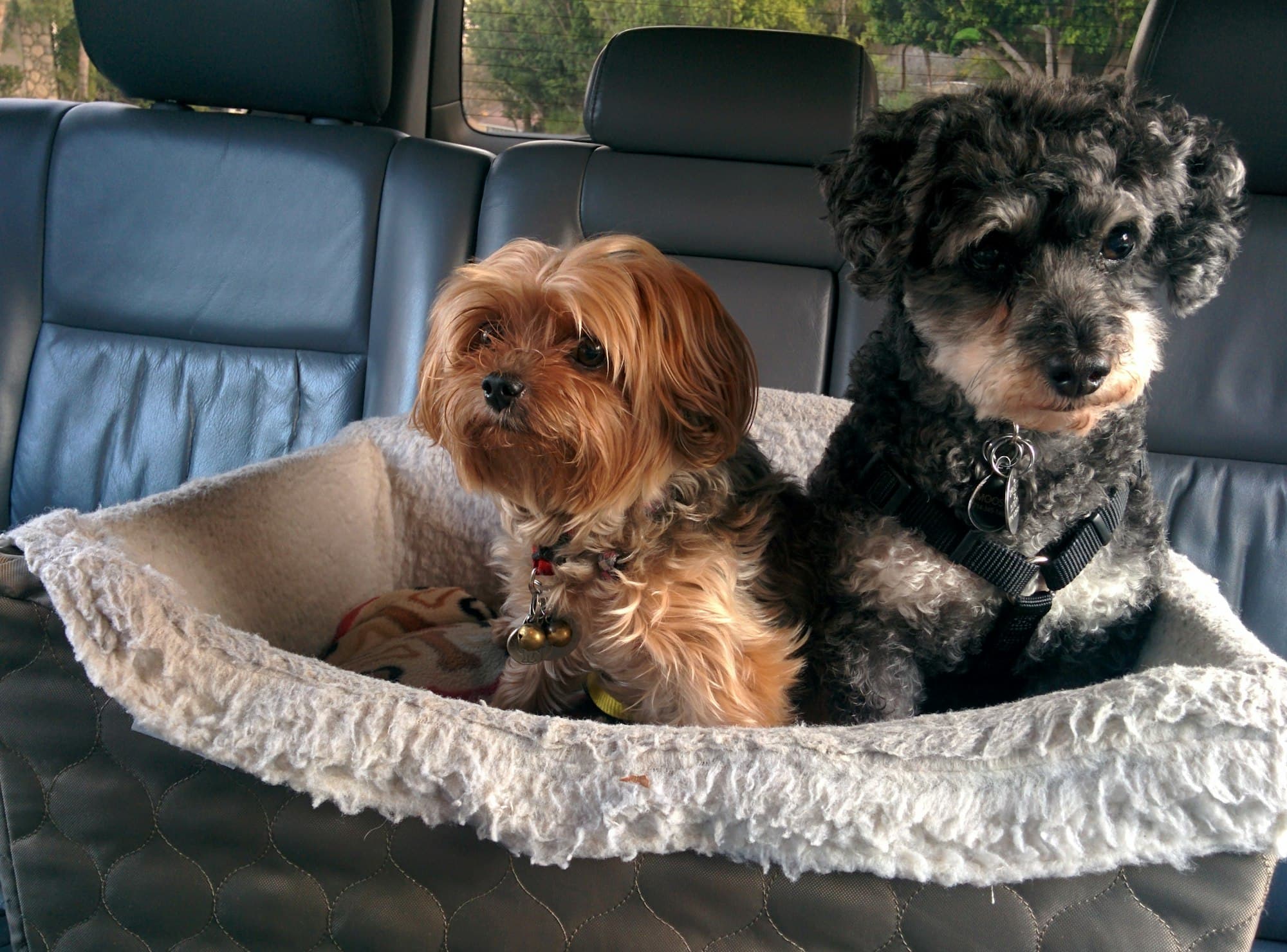
Pet hair removal from car upholstery is hard because dog and cat hair weaves itself into fabric and carpet, and static holds it there. A household vacuum lifts the loose layer but leaves the embedded hairs behind, which is why the seats still look furry after you've cleaned them.
The right tools do get it out. Professionals loosen the hair with rubber brushes and agitation before vacuuming, then steam clean to lift dander and odour. Below we explain why pet hair is so stubborn, the methods that work, how to keep it under control, and which interior detailing package suits pet owners.
Why dog and cat hair is so hard to get out
Pet hair doesn't sit on the surface like dust. Each hair is fine with a slightly rough outer layer, so when it lands on woven fabric or carpet it works its way between the fibres. Every time your dog shifts on the back seat, the hairs are pressed in a little further.
Static makes it worse. Synthetic upholstery and carpet build up a charge, especially with the air conditioning running, and that charge holds hairs in place. Short, stiff coats are often the hardest, because the hairs act like tiny needles that spear into fabric. Cat hair is finer and lighter, so it drifts into vents, seams and the headlining. Long-haired breeds may shed less visibly, but their longer strands tangle around seat runners and seatbelt buckles.
Undercoat and shedding seasons
Double-coated dogs shed heavily as the weather warms up, and on the Gold Coast that can feel like most of the year. The soft undercoat clumps into tufts that knot into carpet, while the coarser outer hairs embed in seat fabric.
Professional pet hair removal from car interiors
A professional detail works in stages, because no single tool removes every hair. The order matters too, since loosening hair before vacuuming saves time and gets better results. A thorough job typically includes:
- Rubber brushes and pet hair stones that grip and roll hairs out of fabric
- Stiff brush agitation on carpets to lift hair from the base of the pile
- Compressed air to blow hair out of seams, vents, seat rails and tight gaps
- Thorough vacuuming with crevice and brush tools, in several directions
- Steam cleaning to lift dander, drool marks and the oily film that holds odour
- Wiping hard surfaces such as door cards, the dash and windows, where noses and paws leave marks
Leather is easier, since hair sits on the surface, but paw scuffs and nose prints still need careful cleaning and conditioning. Leather care is part of both our interior packages.
Dander and sensitive passengers
Removing visible hair is only part of the job if you carry passengers who are sensitive to pets. Dander is far finer than hair and settles in vents, seat seams and carpet. Steam cleaning and careful vacuuming of those areas helps make the cabin more comfortable for everyone.
Which interior package suits pet owners
Removing pet hair is mostly about time. The more hair there is, and the longer it has been building up, the longer it takes to get out properly. That's why the package you choose matters.
- Interior Emerald, from $195, approximately 2 hours. Suits cars with light, occasional pet use that are cleaned often.
- Interior Diamond, from $245, approximately 3 to 4 hours. The better fit for heavy shedders, dogs that travel every day or cars that haven't been detailed in a while.
Seat covers help, but they don't stop everything. Hair still finds its way under the edges, into the footwells and onto the doors, so a car with a cover still benefits from a regular interior detail.
If the outside also needs work after muddy paws on the doors and nose smudges on the windows, our interior and exterior packages start from $245. Let us know when you book that pets travel in the car and roughly how much hair there is, and we'll confirm a price based on the vehicle's size and condition before we start.
DIY methods that help between details
You won't get every hair out at home, but these methods help you keep on top of it.
- Rubber gloves: dampen them slightly and wipe across the seat in one direction, and the hair rolls into clumps you can pick up.
- Pet hair stones: drag gently across carpet to pull out embedded hair. Test a hidden spot first on delicate fabric.
- Lint rollers: good for a quick tidy of the seats before passengers get in.
- A window squeegee: pulled across carpet, it gathers a surprising amount of hair.
- A light mist of water: slightly dampening fabric reduces static so hair lets go more easily.
- A cordless vacuum with a pet head: worth keeping charged for a quick pass each week.
Always vacuum after loosening the hair, otherwise it simply settles back into the fibres.
Common mistakes that make pet hair worse
- Using a bristle clothes brush, which can push hair deeper into the weave
- Vacuuming in one direction only, which skims over hairs lying the other way
- Leaving hair for months, so it mats together and works into the backing
- Spraying heavy fragrance over pet smells, which adds residue without removing the cause
- Wiping damp, hairy seats with a cloth, which smears hair into the fabric
A little regular effort with the right tools is far more effective than one big clean-up a year.
Preventing hair build-up in the first place
- Use a fitted seat cover or hammock for the back seat, and wash it regularly
- Brush your dog before car trips, ideally outside
- Use a travel crate in the boot for dogs that are comfortable in one
- Put a washable blanket under cat carriers
- Keep a lint roller and rubber brush in the glovebox
- Book an interior detail every couple of months if your dog travels daily
Beach dogs bring extra challenges. Wet fur carries sand and salt, and the mix of damp hair and humidity produces that familiar wet dog smell. Towel your dog off and rinse away sand before they jump in, then leave the windows down for a while afterwards. Our guide to interior cleaning after beach days covers sand and odours in more depth.
Tackling pet odours
Hair is the visible part, but odour comes from dander, saliva and the natural oils in a pet's coat. These settle into fabric and carpet and smell stronger in warm, humid weather. Steam cleaning works well because it reaches into the fibres and lifts that oily film rather than covering it with fragrance.
Wash anything your pet lies on in the car too, including blankets, covers and harnesses. They hold the same oils and will put the smell straight back into a freshly cleaned cabin.
For long-term protection, an interior ceramic coating from $495 protects fabric, leather, vinyl and plastics so spills and grime don't soak in as easily, which makes future cleans quicker.
Wondering how often to book? Our detailing schedule guide explains how pets and beach trips change the timing, and the mobile detailing guide shows how a visit works. When you're ready for a hair-free car, request a free quote and we'll come to your home or workplace.