
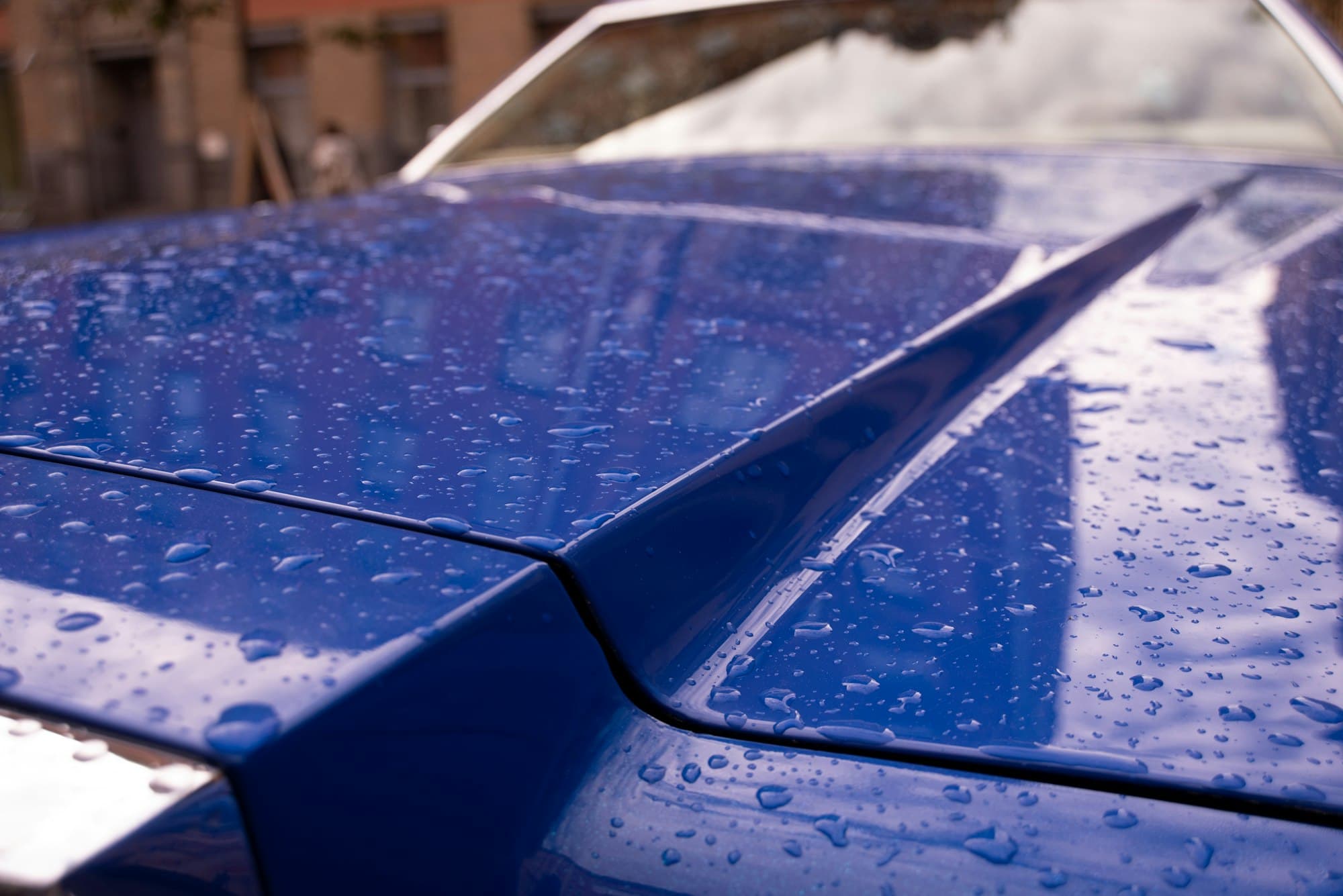
For most everyday cars, yes, as long as you know what you're paying for. A ceramic coating Geelong drivers choose for a daily runabout won't stop stone chips or trolley dents, but it makes the paint far easier to wash, holds its gloss for years and shields the clear coat from UV, bird droppings and road grime.
Where it's less worthwhile: a car you're selling within months, or paint full of swirls that nobody plans to correct first. Below we cover the honest pros and cons, what our Gtechniq ceramic coating packages cost, why preparation matters so much and how to care for a coated car so it keeps performing.
What a ceramic coating is, and what it isn't
A ceramic coating is a liquid applied to clean, polished paint. It bonds with the clear coat and cures into a hard, glassy layer that is far more durable than wax or a spray sealant. Water and dirt sit on top of it instead of clinging to the paint, so the car stays cleaner and washes up faster.
It isn't armour. The layer is thin, so it won't absorb the impact of a stone or stop a deliberate key scratch. Paint protection film is the product designed for impact, and it's a separate product that Preema doesn't install. For most everyday cars, though, a coating covers the problems owners actually notice week to week.
Ceramic coating Geelong owners love: the honest pros
- Washing is quicker because mud, grime and bug splatter release with much less effort
- Strong water beading, so rain rolls off and the car stays cleaner between washes
- UV protection for the clear coat, helpful for cars parked outside through a Geelong summer
- More resistance to bird droppings, tree sap and salt residue from coastal driving, which buys you time to remove them
- Deep, lasting gloss without rewaxing every few months
- Coated wheels and glass too, meaning less brake dust build-up and clearer vision in rain
Owners who live near the water around the Bellarine or down the Surf Coast tend to notice the salt benefit most. A fine film of salt spray settles on everything, and on coated paint it rinses away rather than drying into a crust.
The cons worth knowing before you book
A coating is a real spend, and it isn't the right answer for every car or every owner. These are the downsides worth weighing honestly.
- It doesn't prevent scratches, stone chips or swirls caused by poor washing
- It still needs regular washing, and harsh chemicals or brush car washes will shorten its life
- Water spots can still form if hard water dries on the surface in hot sun
- The upfront cost is higher than a wax or a standard detail
- It only looks as good as the paint beneath it, so tired paint needs correction first
If you change cars every year or rarely wash yours, a regular exterior detail with a quality sealant may be the better choice. There's no point paying for years of protection you won't use.
What a Gtechniq coating costs at Preema
Our coatings use Gtechniq, a professional-only UK brand, and are rated for 5 years of protection. Prices are starting points and are confirmed before we begin, based on your vehicle's size and condition.
- Interior only: from $495, protecting leather, vinyl, plastics and fabric
- Diamond exterior: from $1,095, with Gtechniq CSL on the paint, Clear Vision Smart Glass on windows and mirrors, and Wheel Armour on all four rims
- Signature interior and exterior: from $1,295
- Optional second layer of Gtechniq CSL: $400
Exterior packages include 1 to 3 stage paint correction depending on whether the car is new or second-hand. Every coating also comes with Australian-made aftercare products at no extra cost, so you have the right shampoo and top-up on hand from day one.
Why the prep work decides the result
A coating seals in whatever is on the paint at the time. Apply it over swirls and they stay locked under a glossy layer for years. That's why most of the work happens before the coating itself goes on.
Preparation typically starts with a thorough wash, then chemical decontamination to dissolve embedded iron particles and a clay treatment to lift bonded contamination. The paint is then machine polished to remove defects, and each panel is wiped down to clear away polishing oils so the coating bonds properly.
All of this is done under bright inspection lighting, panel by panel, because defects that are invisible in the shade show up clearly once the coating has made the paint glossier. Rushing preparation is the most common reason coatings look disappointing.
New cars aren't exempt. Paint can pick up marks in transport and during dealer preparation, so even a brand-new car usually needs a light correction stage. Our article on paint correction in Geelong explains what each stage involves.
Wheels, glass and the cabin: the parts people forget
Paint gets most of the attention, but the other surfaces often make the biggest difference to daily life. Brake dust is hot, sharp and slightly acidic, and on uncoated rims it bakes on until it needs harsh cleaners to shift. Wheel Armour gives the rims a slick surface, so a gentle wash usually removes the grime.
Coated glass sheds rain at speed, which helps on the highway in a winter downpour, and it makes frost, bugs and salt film easier to clear from the windscreen. Inside, a coating on seats and trims is popular with families and dog owners, because spills and muddy paws wipe off the surface instead of soaking in.
If you're mostly after a cleaner cabin, the interior only package covers leather, vinyl, plastics and fabric without the exterior work.
A quick checklist: is it worth it for your car?
Run through these points. The more that apply, the better value a coating is likely to be.
- You plan to keep the car for at least a few more years
- It's parked outside or close to the coast
- You'd rather spend less time washing and scrubbing
- You're happy to hand wash or use a touchless wash instead of brushes
- The paint is in reasonable shape, or you're willing to have it corrected first
If most of those ring true, a coating will likely repay you in time saved and paint that stays healthy. If only one or two do, a good detail every few months might be the smarter spend.
Aftercare for a coated car
Coatings need time to cure fully, so follow the curing advice you're given at handover. That usually means keeping the car dry at first and waiting before the first wash. After that, a simple routine keeps the coating doing its job.
- Wash regularly with a pH-neutral shampoo and the two-bucket method
- Rinse off bird droppings, sap and salt spray promptly
- Avoid brush car washes and strong degreasers on the paint
- Dry with clean microfibre towels rather than chamois or old bath towels
- Use the supplied aftercare products to top up the water-repelling layer
The cabin deserves care too. Our guide to car interior detailing covers keeping seats, carpets and trims fresh, which pairs well with an interior coating.
Coating work is mobile across Geelong, the Bellarine Peninsula and the Surf Coast, with no call-out fees. Our Bell Park workshop is available by appointment when a job calls for it. When you book, tell us about access, height limits or parking so we can plan the day.
Curious what your car would need? Ask Preema for a free quote and we'll come to you to take a look.