
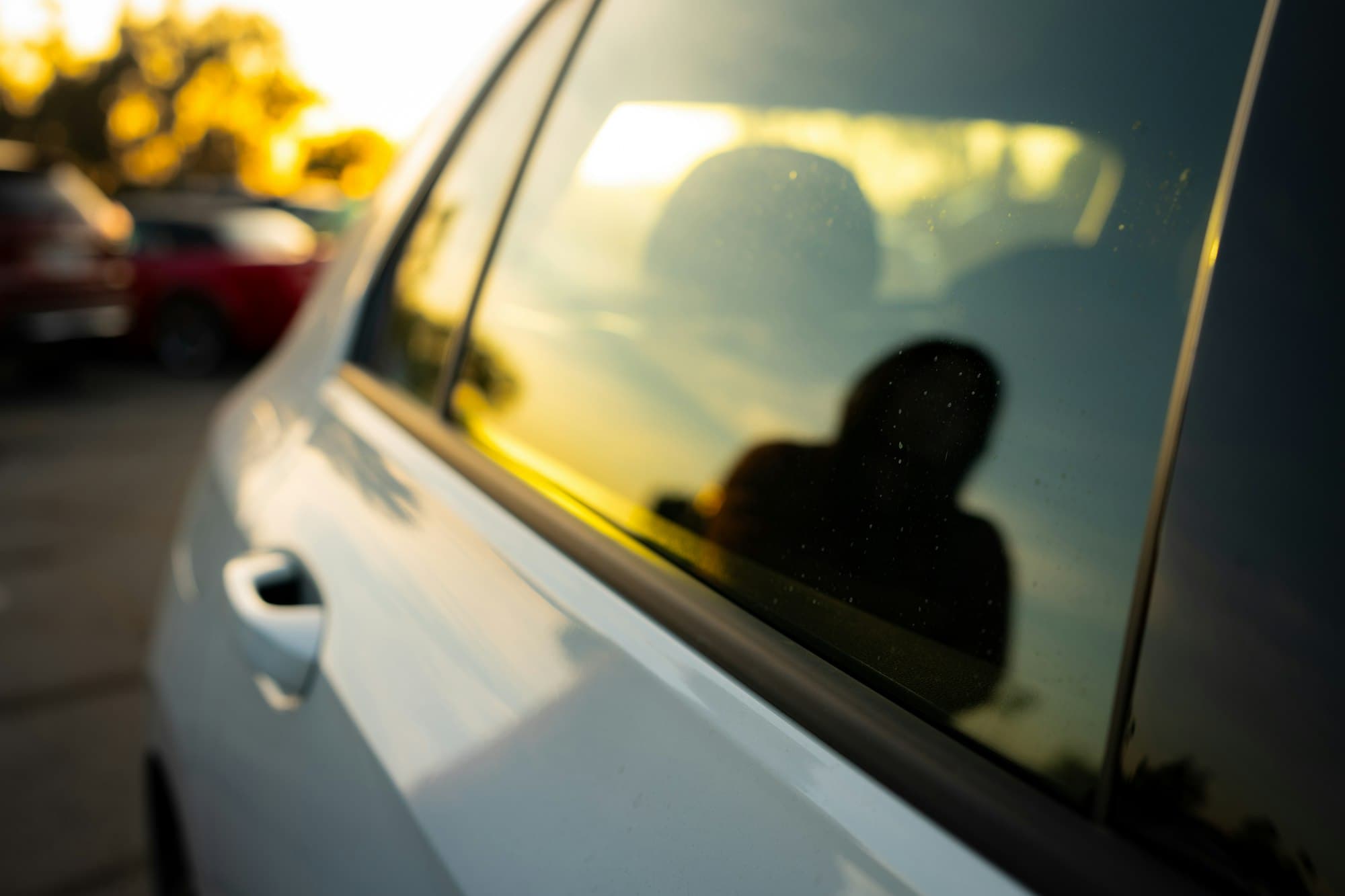
Most window tinting Brisbane drivers ask about comes down to two goals: a cooler cabin and less UV reaching their skin and interior. Quality film cuts glare, blocks 99% of UV and makes a car parked in the sun far more bearable on a summer afternoon. In Queensland, front side windows must let through at least 35% of light, and rear side and rear windows at least 20%.
Preema installs tint from $295, and we do it at your home or workplace. There are four shades to choose from, and the film carries a lifetime guarantee against fading and bubbling. You can see the options on our Brisbane window tinting page. Below we cover the law, the shades, film types and how to look after new tint.
Why tint makes such a difference here
Glass lets a lot of heat and light into a car. On a clear Brisbane day the sun pours through the side and rear windows, warming seats, the steering wheel and everything else inside. Tint reduces the amount of light and heat that gets through, so the cabin starts cooler and the air conditioning has less work to do.
Glare is the other big benefit. Low sun in the morning and late afternoon can make driving tiring, and tinted side and rear glass softens it. Passengers in the back, especially children, are far more comfortable on long drives.
UV and your interior
UV is the part of sunlight that fades and dries materials. Dashboards crack, leather loses its oils and fabric seats bleach unevenly where the sun hits them. Film that blocks 99% of UV slows all of that down, and it cuts the UV reaching the skin of everyone in the car.
Privacy and security
Darker rear glass makes it harder for anyone walking past to see what is on the back seat or in the cargo area. That matters for tradies carrying tools, parents with prams and shopping, or anyone who leaves a bag in the car while they duck into a shop. Tint also helps hold shattered glass together if a window is broken.
Queensland window tint laws
Tint darkness is measured by visible light transmission, the percentage of light that passes through the glass. The lower the number, the darker the window. For cars in Queensland, these are the key limits:
- Front side windows must let through at least 35% of light
- Rear side windows and the rear window must let through at least 20% of light
- Vans and goods-carrying vehicles can go darker on windows behind the driver
- The windscreen has its own, much stricter rules and is not part of a standard tint job
Factory glass counts too
Most car glass already has a slight tint from the factory. When film is applied, the reading is taken through the glass and film together, so the result is darker than the film's number on its own. We take this into account when recommending a shade, and we will tell you if a combination would fall outside the limits.
Choosing a shade
Preema offers four film shades. Here is how they compare and where each one usually fits:
- 50%, light: a subtle look that still cuts heat and UV, a popular choice for front side windows
- 35%, medium: matches the front side limit on paper, so it needs checking against your factory glass before it goes on the front
- 20%, dark: strong privacy and heat reduction, suited to the rear side and rear windows of most cars
- 5%, limo: very dark, only for windows where darker film is allowed, such as behind the driver in some vans and goods-carrying vehicles
Many owners choose a lighter shade on the front side windows and a darker one in the back. That gives a balanced look, keeps you legal and adds privacy for whatever is on the back seat.
Film types explained
Tint films are not all built the same way, and the construction affects how they look, how they handle heat and how they age. Knowing the main types helps you ask better questions about any quote.
Dyed film
Dyed film is the most basic option. It darkens the glass and cuts glare, but lower quality versions can fade or change colour over time in strong sun.
Metallised film
Metallised film uses fine metal particles to reflect heat. It works well for heat rejection but can give a shiny appearance and may interfere with phone, radio or GPS signals.
Carbon and ceramic film
Carbon film absorbs heat without metal, so it does not affect signals and keeps a matte finish. Ceramic film uses non-conductive ceramic particles and is generally regarded as the higher grade option for heat rejection and clarity. Whichever film you are quoted, ask what it is and how it is warranted.
Window tinting Brisbane: how mobile installation works
You do not need to take your car anywhere. We come to your home or workplace in a fully equipped van and fit the film where the car is parked. Let us know about access, height limits or parking when you book so we arrive prepared.
Each window is cleaned thoroughly, because any dust trapped under film shows as a speck forever. The film is then cut to the shape of the glass, heat-formed to follow curved rear windows and applied from the inside, with the water and air pushed out with a squeegee. The edges are finished neatly so the tint looks like it came with the car.
Signs of poor quality tint
You have probably seen tired tint on cars around town. Cheap film and rushed installation tend to show the same problems as they age:
- Bubbles or blisters where the film has lifted from the glass
- A purple or uneven colour as low grade dye breaks down in the sun
- Peeling corners and edges that catch on the window seals
- Dust specks or hairs trapped under the film from poor preparation
- Gaps along the edges that let a line of bright light through
Fading and bubbling are exactly what the lifetime guarantee on our film covers. Careful cleaning of the glass and neat edge work deal with the rest at installation.
Caring for new tint
Fresh tint needs a little patience while the adhesive cures. Follow the timing your installer gives you, and keep these points in mind:
- Leave the windows up until you are told they are ready to use
- A slight haze or small water pockets are normal at first and fade as the film cures
- Clean tinted glass with a soft microfibre cloth and an ammonia-free cleaner
- Avoid scraping the film with rings, seatbelt buckles or sharp objects
- Do not stick suction mounts or stickers onto tinted glass
Questions to ask before you book
A few questions help you compare tinting quotes fairly:
- Which film type is being quoted, and what shade for each window
- Whether the shades chosen will stay legal with your factory glass
- What the warranty covers and for how long
- Whether the price includes every side and rear window
- Whether the work is done at your place or theirs
Tint works well alongside paint protection. If you want the outside of the car protected from the same sun, our ceramic coating guide explains how a coating helps, and our post on how mobile detailing works shows what to expect when we visit.
Ready for a cooler car? Get a free tinting quote and we will come to you, with no call-out fee.