
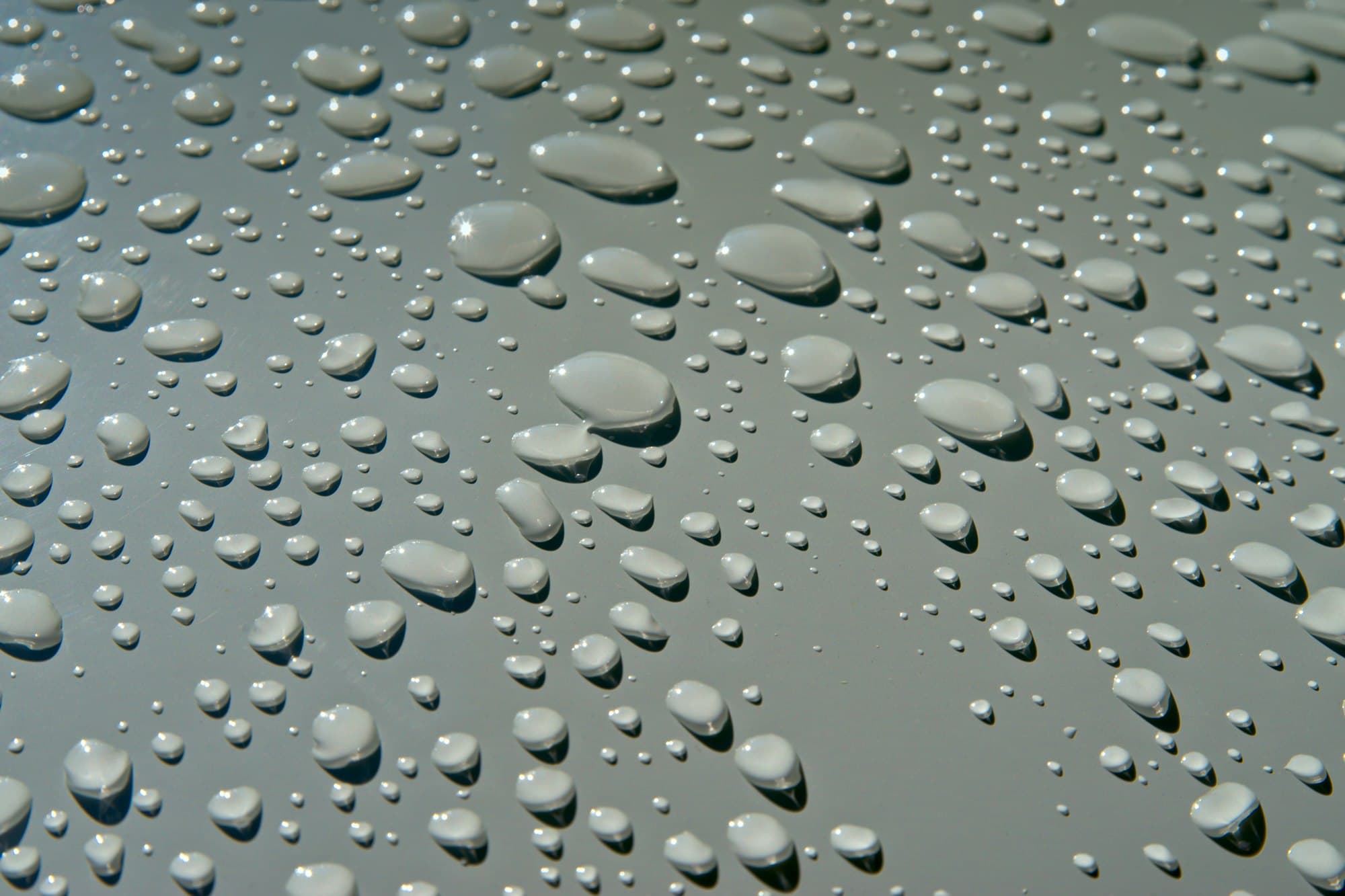
How long does ceramic coating last? A professional Gtechniq coating like the one Preema applies is rated for 5 years of protection, provided it's looked after properly. Cheaper consumer coatings usually last much less, because they are thinner and often applied without proper preparation.
That 5 year figure isn't automatic, though. How the car is washed, where it's parked and how quickly contaminants are removed all affect how long the coating keeps performing. Below we cover what shortens and extends a coating's life, how to spot wear, and when to think about recoating. You can see what goes into each of our Gtechniq ceramic coating packages on our service page.
What the 5 year protection means
Gtechniq CSL, the coating we apply to paint, is a professional-only product designed to bond to the clear coat and stay there for years. The protection period describes how long it is designed to keep repelling water, resisting contaminants and holding its gloss under normal use and proper care.
It doesn't mean the car needs no attention for five years. Think of it like a set of tyres. Driven sensibly and checked regularly, they reach their expected life. Neglected, they wear out early.
Life also varies across the car. The roof, bonnet and boot lid sit flat under the sun and collect the most fallout, so they usually show wear first. Vertical panels like the doors tend to hold their water-beading longer. Paying a little extra attention to those flat surfaces when you wash is one of the easiest ways to keep the whole car performing evenly.
Why consumer coatings wear out sooner
Shop-bought ceramic sprays and DIY kits can give an impressive first few washes. They are usually much thinner than a professional coating, though, and are often applied straight over unprepared paint.
Professional-only products like Gtechniq CSL are formulated to build a more durable layer and are applied by trained installers after the paint has been decontaminated and corrected. That combination is what makes a multi-year protection period realistic.
What shortens a coating's life
- Automatic car washes with brushes and harsh chemicals
- Strong alkaline or acidic cleaners not designed for coated paint
- Leaving bird droppings, sap or bug splatter to bake on in the sun
- Letting road grime build up for weeks between washes
- Washing in direct sun so soap and hard water dry on the panels
- Poor preparation before the coating was applied
That last point is the one you can't fix afterwards. A coating applied to unprepared paint has a weaker bond from the start. This is why our exterior packages include decontamination and 1 to 3 stages of paint correction before any coating goes on.
What helps it last longer
Good habits matter more than expensive products, and most of them take very little extra time.
- Hand wash every couple of weeks, or more often if the car lives outside
- Use a pH-neutral shampoo and two buckets, or a pre-wash foam to lift dirt first
- Dry with a clean microfibre towel rather than letting water evaporate
- Remove bird droppings and sap as soon as you notice them
- Park undercover or in the shade where you can
- Use the aftercare products supplied with your coating
Every Preema coating comes with free Australian-made aftercare products, chosen to clean without stripping the coating. Using them from the first wash makes a real difference.
A simple washing routine
You don't need a garage full of products. A short, consistent routine does the job:
- Rinse the car thoroughly to remove loose dirt and grit
- Apply a pre-wash foam or spray and let it dwell, then rinse
- Wash panel by panel from the roof down with a clean mitt, rinsing it often
- Clean the wheels last with a separate mitt or brush
- Rinse again and dry with a soft, clean microfibre towel
Do this in the shade or early in the morning, when the panels are cool. Soap and water drying on hot paint is one of the most common causes of spotting on coated cars.
The first days after coating
A fresh coating needs time to cure fully. Keep the car dry and avoid washing it for the period your installer recommends. We go through this with you when we finish, so you know exactly what to do and what to avoid.
Garaged versus street-parked cars
A car that sleeps in a garage and drives to an undercover car park faces far less UV, sap and bird droppings than one parked under a tree on the street. Both can reach the full protection period, but the street-parked car needs more frequent washing and quicker attention when something lands on it.
Signs your coating is wearing
A coating rarely fails overnight. It fades gradually, usually starting on the horizontal panels that face the most sun and weather.
- Water stops beading tightly and starts to sheet slowly or sit in flat patches
- Dirt clings after rain and takes more effort to wash off
- The bonnet and roof look duller than the doors
- The paint feels less slick when you glide a clean microfibre over it
Before deciding the coating is gone, give the car a proper decontamination wash. Often what looks like wear is a film of traffic grime or mineral deposits sitting on top, and the coating underneath is still doing its job.
How long does ceramic coating last on glass, wheels and interiors?
Different surfaces wear at different rates because they face different conditions. That's why our exterior packages use a dedicated product for each one.
Glass
Clear Vision Smart Glass goes on windows and mirrors. The windscreen takes the most wear from wiper blades, so expect its water-shedding to fade sooner than on the side windows. Clean wiper blades, replaced when they start to streak, help a lot.
Wheels
Wheel Armour protects all four rims against brake dust and grime. Wheels get hot and filthy, so regular cleaning with a gentle wheel cleaner keeps the coating working and stops dust from baking on.
Interior
Interior coatings protect leather, vinyl, plastics and fabric. Wear depends on use, so the driver's seat bolster and other high-touch areas see the most. Our guide to interior ceramic coating covers how to look after a coated cabin.
Extra layers and reapplication
If you want extra protection from the start, a second layer of Gtechniq CSL can be added for $400. It suits cars that live outdoors or cover a lot of kilometres.
When a coating has reached the end of its life, the car can be recoated. The process is much like the first time: a thorough wash and decontamination, an inspection of the paint, any correction needed, then a fresh coating. Paint that has been coated and well cared for usually needs less correction second time round.
If you can't tell if your coating needs attention, a professional wash and inspection will answer the question. We can check how it's performing and talk through your options.
How a regular detail fits in
Some owners like to have the car professionally washed between their own washes. A gentle maintenance detail removes grime safely and lets a professional keep an eye on the coating. Our exterior detailing packages start from $145 for a Mini Detail, and our guide on how often to detail your car can help you plan a routine.
Want your coating to go the full distance, or ready to book your first one? We can do that maintenance detail at your home or workplace, with no call-out fee. Ask us for a free quote and we'll talk you through the options.