
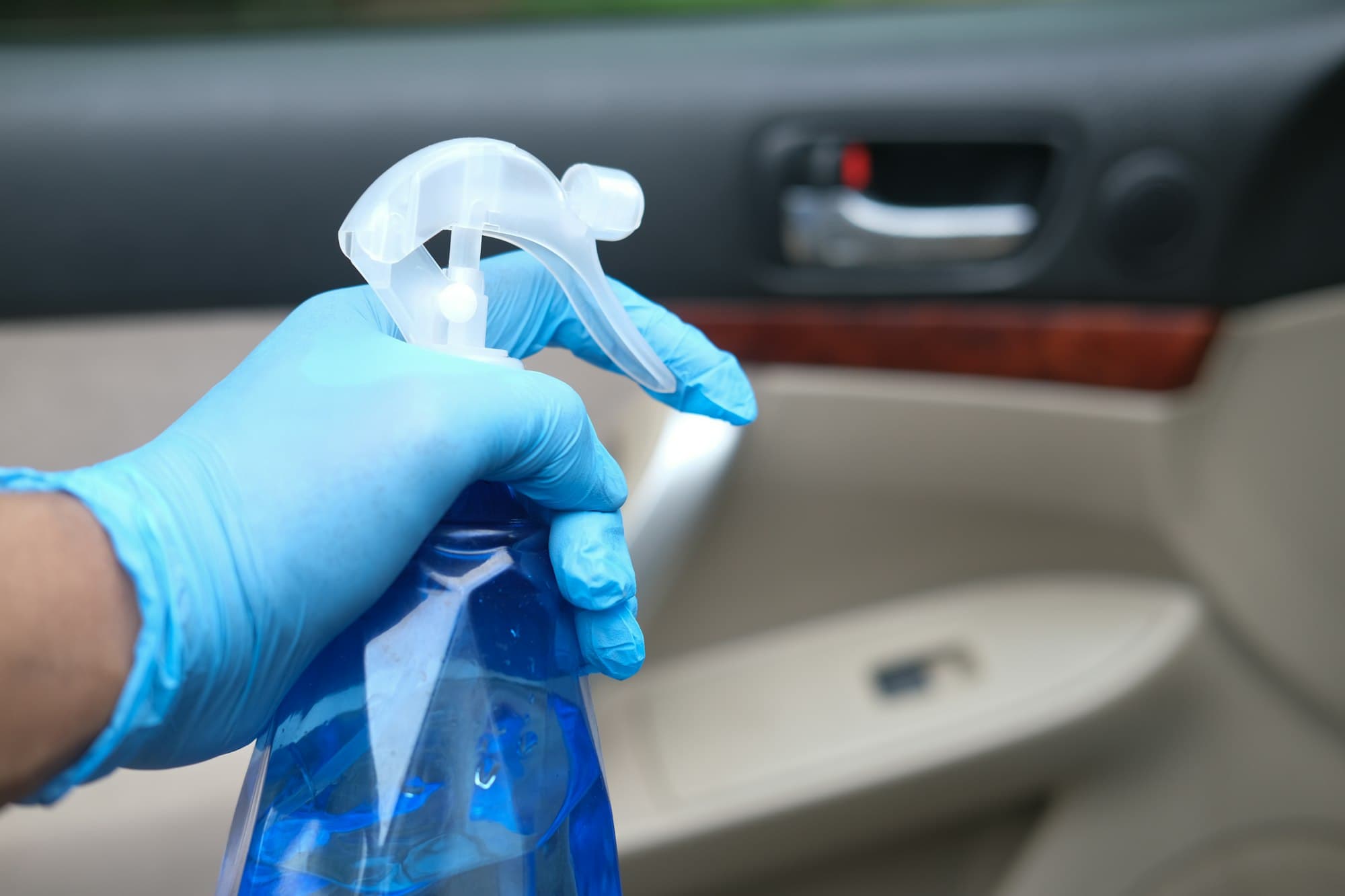
Interior car detailing is a thorough clean of every surface inside your car, from carpets, seats and headlining to vents, screens, seatbelts and door pockets. A professional detail lifts dirt, stains and smells out of the materials rather than masking them, then leaves surfaces cleaned and cared for with products made for each one.
It is a very different job from a quick vacuum at the servo. This guide explains what each part of a professional interior detail involves, how to keep your cabin fresh between visits and when it makes sense to book. If you would like to see our options and starting prices first, visit our interior detailing page.
What professional interior car detailing includes
Every car is different, but a proper interior detail generally works from the top down and from the dry stages to the wet ones, so dust is not knocked onto surfaces that have already been cleaned. The main stages are:
- A thorough vacuum of carpets, seats, mats, the boot and every gap and rail
- Steam cleaning of hard surfaces, vents, cup holders and tight corners
- Leather cleaning and conditioning, or fabric cleaning and extraction
- Treatment of stains on seats, carpets and mats
- Careful cleaning of screens, gloss trim, dials and switches
- Streak-free glass on the inside of every window and mirror
The order matters. Vacuuming before any wet cleaning stops loose grit turning into muddy streaks, and cleaning the headlining and dash before the carpets means anything that drops is picked up at the end. This is one of the reasons a professional interior lasts longer than a rushed clean.
At Preema, Interior Emerald starts from $195 and takes around 2 hours, while Interior Diamond starts from $245 and takes around 3 to 4 hours for a deeper clean.
Vacuuming and steam cleaning
Getting out the dirt you cannot see
Sand, grit and crumbs work their way deep into carpet fibres and seat seams. Over time that grit acts like sandpaper on fabric and wears it thin. A detailer uses strong commercial vacuums, narrow crevice tools and compressed air to blow debris out of seat rails, vents and the gaps around the console before vacuuming it up.
Why steam works so well
Steam loosens grime from textured plastics, cup holders and door handles without soaking the surface. It also helps break down sticky residue from spilt drinks and hands, which is why the steering wheel and gear selector often look noticeably better afterwards. Because it uses heat rather than harsh chemicals, steam is gentle on most interior materials when used with care.
Leather, fabric and stain treatment
Leather care
Leather collects body oils, sunscreen and dye from clothing, especially on the driver's seat bolster. A pH-balanced leather cleaner and a soft brush lift this out of the grain, and a conditioner helps keep the hide supple. Household wipes and all-purpose sprays can dry leather out and leave a sticky film, so they are best avoided.
Fabric seats and carpets
Cloth seats and carpets are cleaned with fabric-safe products and then extracted, which flushes the dirt out and draws the moisture back up. This is how coffee spills, food marks, mud and the general grey tinge of an older interior are lifted.
Will every stain come out?
The key with any stain is knowing what caused it. Protein stains such as milk or vomit, tannin stains such as coffee and red wine, and oil-based marks such as make-up or grease each respond to different products. Using the wrong one, or scrubbing hard, can set a stain permanently or spread it into a larger ring.
Most do, or lighten a great deal. Some, such as old ink, dye transfer or stains that have been treated with the wrong product, may not lift fully. A good detailer will tell you honestly what to expect before they start.
Dealing with odours at the source
Air fresheners only hide a smell for a while. A lasting fix means finding and removing whatever is causing it. Common culprits include food crumbs under seats, spilt milk soaked into carpet, pet hair and dander, cigarette smoke absorbed into the headlining, and damp carpet under the mats.
That last one is worth checking in Melbourne, where wet shoes and umbrellas through winter can leave carpets damp for weeks. Trapped moisture leads to a musty smell and, left long enough, mould. Lifting the mats, cleaning and drying the carpet properly, and fixing any leaking seal are usually what clears it.
Screens, plastics and the small details
Modern interiors are full of surfaces that scratch easily. Glossy black trim around the gear selector and large touchscreens show fine marks from the wrong cloth or a dusty wipe. Detailers use clean, soft microfibre and screen-safe cleaners, and they lift dust off before wiping so it is not dragged across the surface.
Plastics and vinyl on the dash and door cards also need the right finish. Many home products leave a glossy, greasy layer that attracts dust and reflects onto the windscreen. A good interior dressing leaves a clean, natural matte look and adds some UV protection to help stop the dash fading or drying out.
The smaller areas are what separate a detail from a tidy-up: seatbelts that have greyed with use, the tracks of sliding seats, air vent slats, the pedal area and the door shuts. Clean glass also matters for safety, since a film on the inside of the windscreen causes glare when driving into low sun or at night.
Keeping your interior fresh between details
A professional detail resets the cabin. A few habits will keep it looking that way for longer:
- Keep a small bin or bag in the car and empty it every time you refuel
- Shake out the floor mats once a week, before the grit works into the carpet
- Wipe spills straight away with a damp microfibre cloth rather than rubbing
- Use seat covers or a boot liner if you regularly carry pets, sports gear or tools
- Park in the shade or use a sunshade to reduce heat and fading on the dash and seats
- Dry out wet mats and carpet promptly after rainy days
For longer-lasting protection, an interior ceramic coating helps leather, vinyl, plastics and fabric resist spills and staining. Preema offers a Gtechniq interior coating from $495.
When to book an interior detail
Many people book an interior detail every few months, but the right timing depends on how the car is used. A car that carries kids, dogs or work gear will need attention more often than one used for a short commute. Our guide to how often to detail your car explains how to work out a sensible routine.
Some moments also make an interior detail especially worthwhile:
- After a road trip, a beach holiday or a long winter
- When a spill or smell has not responded to your own cleaning
- Before selling the car, alongside a pre-sale detail
- After buying a second-hand car, to start fresh
- Before applying an interior coating, which needs a fully clean surface
If the outside needs attention too, our interior and exterior packages cover the whole car in one visit. To book, get a free quote and we will come to your home or workplace anywhere across Melbourne.